

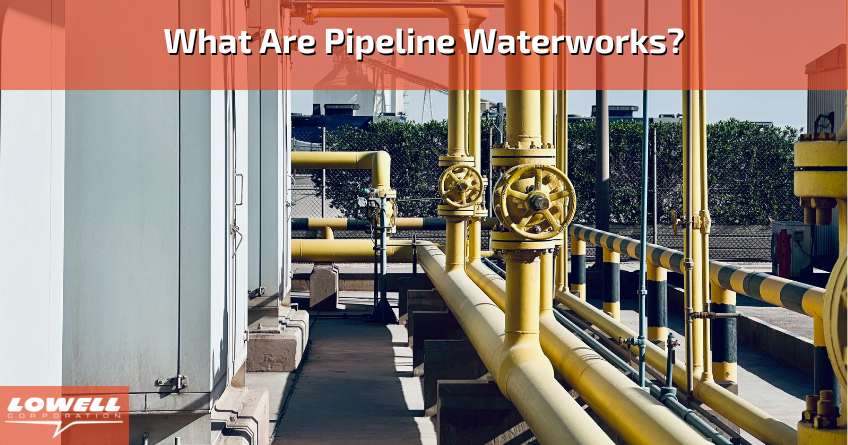
What Are Pipeline Waterworks?
Waterworks pipelines form the backbone of modern water distribution systems. They carry treated water to homes, businesses, industrial facilities, and public infrastructure while also moving wastewater and stormwater through separate systems.
Although the basic purpose sounds simple, building and maintaining these networks requires careful planning. Engineers must account for pressure, pipe diameter, materials, soil conditions, corrosion, accessibility, and long-term maintenance. Crews also need reliable pipeline tools for installation, repair, valve operation, and routine service.
So, what exactly are pipeline waterworks, and how do these systems work? Below, we’ll cover the major components, common pipe materials, installation basics, and the waterworks tools crews depend on in the field.
What We’ll Cover:
- Why pipeline waterworks are essential infrastructure
- How waterworks pipelines support the U.S.
- 6 common materials used in pipeline waterworks
- How to install pipeline waterworks
- Why the right waterworks tools matter
- Key takeaways
Why Pipeline Waterworks Are Essential Infrastructure
Pipeline waterworks include the pipes, valves, fittings, pumps, and related infrastructure used to transport and manage water. Depending on the system, those pipelines may carry drinking water, wastewater, or stormwater.
A water distribution network can include everything from large transmission mains near treatment facilities to smaller service lines that supply individual buildings. Pipe sizes, materials, and pressure requirements change throughout the system depending on how much water each section needs to carry.
Water treatment can also take place at different points within the network. Large municipal systems typically treat water at a centralized facility before distributing it through mains and service lines.
No matter the system size, crews need dependable equipment to install fittings, operate valves, make repairs, and maintain access points. A pipe wrench, socket wrench, valve wrench, or hydrant wrench may all have a place in a waterworks crew’s toolkit depending on the job.
How Waterworks Pipelines Support the U.S.
Waterworks systems support public health, fire protection, sanitation, manufacturing, and everyday life. A single pipeline failure can interrupt service, damage surrounding infrastructure, and create expensive emergency repairs.
That makes long-term reliability a major consideration during both construction and maintenance. Engineers must choose materials that can handle expected pressure, environmental conditions, water chemistry, and service life.
Crews also need tools that can withstand repeated field use. Corroded valves, confined work areas, heavy fittings, and changing weather conditions can put considerable stress on both workers and equipment. Durable American-made wrenches can help crews maintain control and complete routine tasks without constantly replacing worn tools.
6 Common Materials Used in Pipeline Waterworks
Waterworks pipelines use several materials depending on pressure, application, location, and budget. Most fall into three broad categories: metal, concrete, and plastic.
1) Steel
Steel works well in applications that require high strength and pressure resistance. Manufacturers can produce steel pipe in long sections, which may reduce the number of joints required across large installations.
Steel also requires proper coatings and corrosion protection, particularly in underground or chemically aggressive environments.
2) Galvanized Steel and Iron
Galvanized pipe uses a protective zinc coating to slow corrosion. Older water systems frequently used galvanized steel or iron, although many modern drinking-water applications have shifted toward other materials.
Crews may still encounter galvanized pipe during repair and rehabilitation work, particularly in older infrastructure. Corrosion can make fittings difficult to disassemble, increasing the importance of using the correct pipe wrench or other specialized tool.
3) Copper
Copper remains common in building plumbing and smaller water distribution applications. It offers good durability and corrosion resistance under suitable water conditions.
However, material cost and water chemistry can affect whether copper makes sense for a particular project. Highly acidic water, for example, can accelerate corrosion.
4) Cast and Ductile Iron
Iron pipe has a long history in municipal water systems. Modern ductile iron provides greater strength and flexibility than older cast iron while remaining suitable for demanding underground applications.
Because these pipes and fittings can be heavy, crews need appropriately sized equipment and waterworks tools during assembly, repair, and valve maintenance.
5) Concrete
Concrete pipe commonly appears in large-diameter water, stormwater, and wastewater systems. Its weight and installation requirements make it better suited to major infrastructure projects than smaller service connections.
Crews may need specialized lifting and assembly equipment rather than the same hand tools used for smaller metal or plastic pipe.
6) PVC and Other Plastic Pipe
PVC offers a lightweight, corrosion-resistant alternative for many water and wastewater applications. It is easier to transport and install than heavier metal and concrete systems.
Plastic pipe still requires careful handling. Workers must use the correct tools and procedures to avoid damaging pipe walls, fittings, or finished surfaces during installation.
Pipelines need tough wrenches that can withstand the test of time. Trust Lowell to make your repairs easier.
How to Install Pipeline Waterworks
Every waterworks project differs, but most installations follow a similar sequence.
1) Select the Pipe and Fittings
Engineers first determine the appropriate pipe material, diameter, pressure rating, and fittings for the project. Soil conditions, water chemistry, service requirements, and expected lifespan can all influence the decision.
2) Prepare the Work Area
Crews locate existing utilities, establish the pipeline route, prepare access points, and complete any required excavation.
For existing systems, workers may also need to isolate sections of the network before beginning repairs or replacement.
3) Shut Down or Control Water Flow
When crews work on an active system, they must safely isolate the affected section. Depending on the valve design, technicians may use a valve wrench or hydrant wrench to operate the system.
The right tool gives the leverage workers need without unnecessarily damaging operating nuts, valve wheels, or other components.
4) Gather the Necessary Pipeline Tools
The exact toolkit depends on the pipe type and the work being performed. Common equipment can include socket wrench sets, strap wrenches, valve wrenches, measuring tools, cutting tools, and specialty pipeline tools.
Having the right tools available before work begins reduces delays and prevents crews from improvising with equipment not intended for the task.
5) Position and Assemble the Pipe
Crews place pipe sections according to project plans and connect them using the appropriate fittings, couplings, bolts, welds, or joining methods.
Workers should verify alignment and fit before final tightening or permanent joining. This step helps catch measurement errors before they turn into more expensive problems.
6) Inspect and Test the System
After installation, crews inspect connections and test the pipeline before putting it into regular service. Testing can identify leaks, improperly assembled joints, or other defects that need attention.
From there, the system enters its ongoing maintenance cycle. Valves, hydrants, fittings, and access points all require periodic inspection and service throughout the pipeline’s operating life.
Why the Right Waterworks Tools Matter
Pipeline crews rarely work under ideal conditions. Valves can corrode, fittings can seize, clearance can be limited, and emergency repairs can happen with little warning.
Quality hand tools help technicians apply controlled force while reducing unnecessary damage to surrounding equipment. A purpose-built hydrant wrench, for example, gives waterworks crews a better option for hydrant operation than an improvised tool. Likewise, the correct socket, strap wrench, or valve wrench can make maintenance faster and more predictable.
Durability matters just as much. Choosing high-quality, American-made wrenches helps manufacturers, utilities, and contractors build toolkits that withstand repeated field use.
Key Takeaways
- Pipeline waterworks transport drinking water, wastewater, and stormwater through networks of pipes, valves, pumps, fittings, and related infrastructure.
- Engineers choose pipe materials based on pressure, water chemistry, soil conditions, application, cost, and expected service life.
- Common materials include steel, iron, copper, concrete, PVC, and other plastics.
- Installation requires careful planning, site preparation, assembly, inspection, testing, and the correct waterworks tools.
- The right pipeline tools help crews protect fittings, valves, hydrants, and other components while improving field efficiency.
- Reliable tools remain important long after construction ends because waterworks systems require ongoing inspection, maintenance, and repair.
Ready to save time and money on
your pipeline tools?
Choose Lowell Pipeline Tools for Waterworks Manufacturing and Maintenance
Waterworks manufacturers and utility professionals need tools that can handle demanding field conditions without slowing down the job. Lowell Corporation has manufactured professional hand tools since 1869, with products built for pipeline construction, waterworks maintenance, utility work, and industrial applications.
From specialized pipeline wrenches and hydrant wrenches to socket, strap, and valve wrench designs, Lowell gives waterworks professionals durable options for installation, assembly, repair, and maintenance.
Lowell proudly manufactures its tools in the U.S.A. in the heart of New England. If your operation needs dependable American-made wrenches built for real waterworks applications, explore Lowell’s pipeline tool lineup or contact our team to find the right solution for your application.